
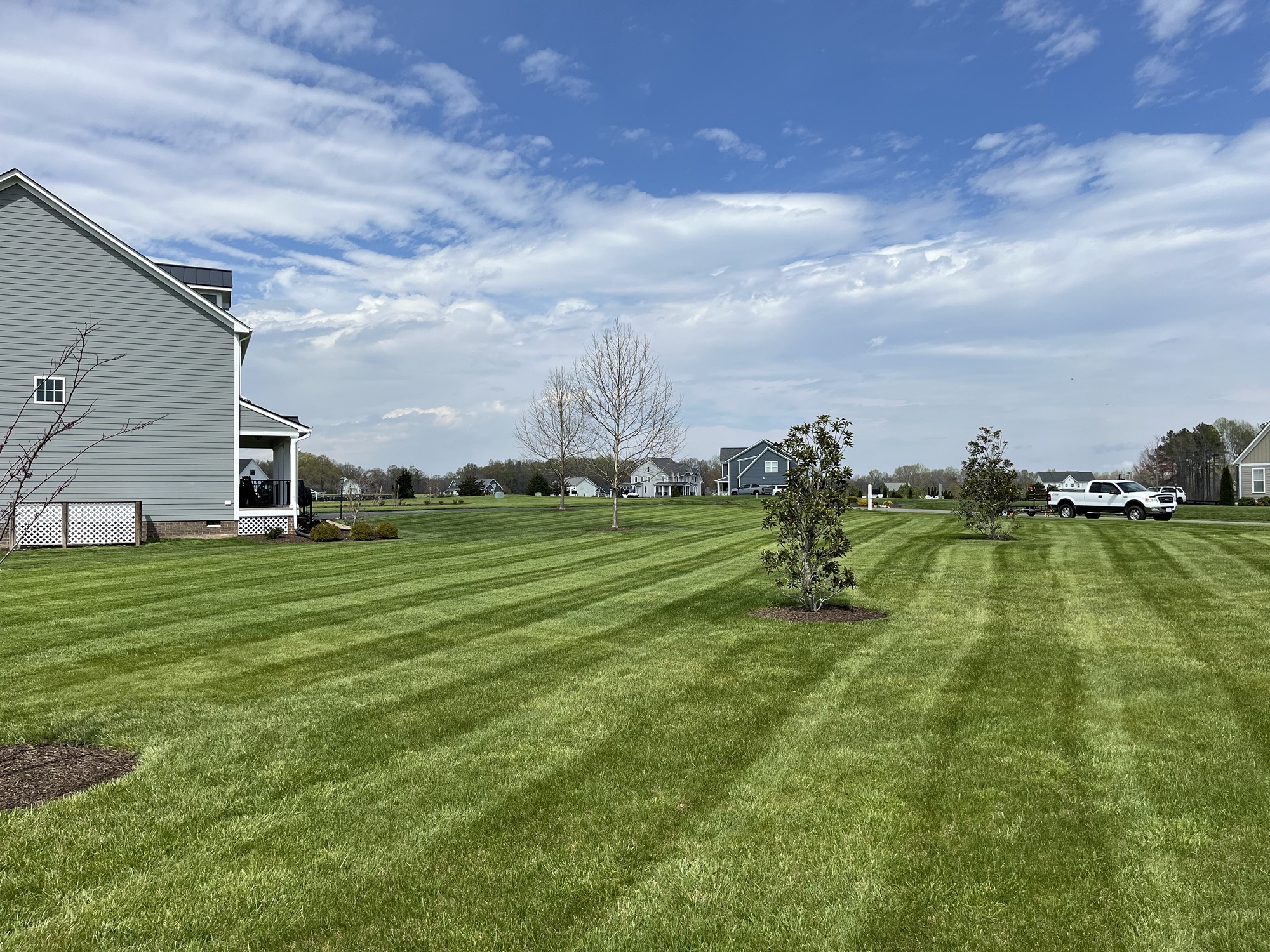
Weather Patterns, Droughts Are Becoming More Frequent and Severe. This Makes Efficient Water Use Essential, Particularly for Lawn and Garden Care. An Effective Irrigation System Can Help Maintain Healthy Plants and Landscapes Even During Periods of Water Scarcity. Here Are the Basics of Setting Up and Maintaining an Irrigation System During a Drought:
1. Assess Your Landscape’s Water Needs
Every landscape is different, so understanding the specific water needs of your plants is crucial. Consider the following factors:
- Plant Types: Different plants have varying water requirements. Group plants with similar needs together.
- Soil Type: Sandy soils drain quickly and may need more frequent watering, while clay soils retain water longer.
- Climate Conditions: Local climate, including temperature and humidity, will affect how much water your plants need.
2. Choose the Right Irrigation System
There are several types of irrigation systems, each with its advantages and suitability for different landscapes:


- Drip Irrigation: Delivers water directly to the plant roots, minimizing evaporation and runoff. Ideal for gardens and individual plants.
- Sprinkler Systems: Suitable for lawns and larger areas. Consider using low-flow nozzles to reduce water usage.
- Soaker Hoses: Lay flat on the ground and seep water along their length, ideal for rows of plants and vegetable gardens.
- Smart Irrigation Controllers: These devices adjust watering schedules based on weather data, soil moisture, and plant needs, optimizing water use.
3. Implement Efficient Watering Practices
To maximize the efficiency of your irrigation system, follow these practices:


- Water Early in the Morning: This reduces evaporation losses due to heat and wind.
- Use Mulch: Apply mulch around plants to retain soil moisture and reduce the need for frequent watering.
- Water Deeply and Infrequently: This encourages deep root growth, making plants more drought-resistant.
- Check for Leaks and Maintenance Needs: Regularly inspect your irrigation system for leaks, clogs, or broken parts that can waste water.
4. Optimize Water Distribution
Ensure that water is distributed evenly across your landscape. Adjust sprinklers and emitters to avoid watering sidewalks, driveways, or other non-plant areas. Use soil moisture sensors to monitor the effectiveness of your irrigation and adjust as needed.
5. Adopt Drought-Tolerant Landscaping
Consider incorporating drought-tolerant plants and xeriscaping principles into your landscape design. These plants require less water and are better adapted to survive in dry conditions.


6. Stay Informed About Local Water Restrictions
During drought conditions, local authorities may impose water use restrictions. Stay updated on these regulations and adjust your irrigation practices accordingly to comply with legal requirements and conserve water.
Conclusion
An efficient irrigation system is key to maintaining a healthy landscape during drought. By understanding your landscape’s needs, choosing the right system, and implementing efficient watering practices, you can ensure that your plants thrive even in challenging conditions. Adopting drought-tolerant landscaping and staying informed about local water restrictions will further enhance your water conservation efforts.

If you need more details on any specific irrigation system or drought-resistant plants suitable for your area, feel free to ask! Contact EduLawn Care for a personalized assessment and soil test of your yard at 804-476-0784 or edulawncare@gmail.com.




Leave a Reply