
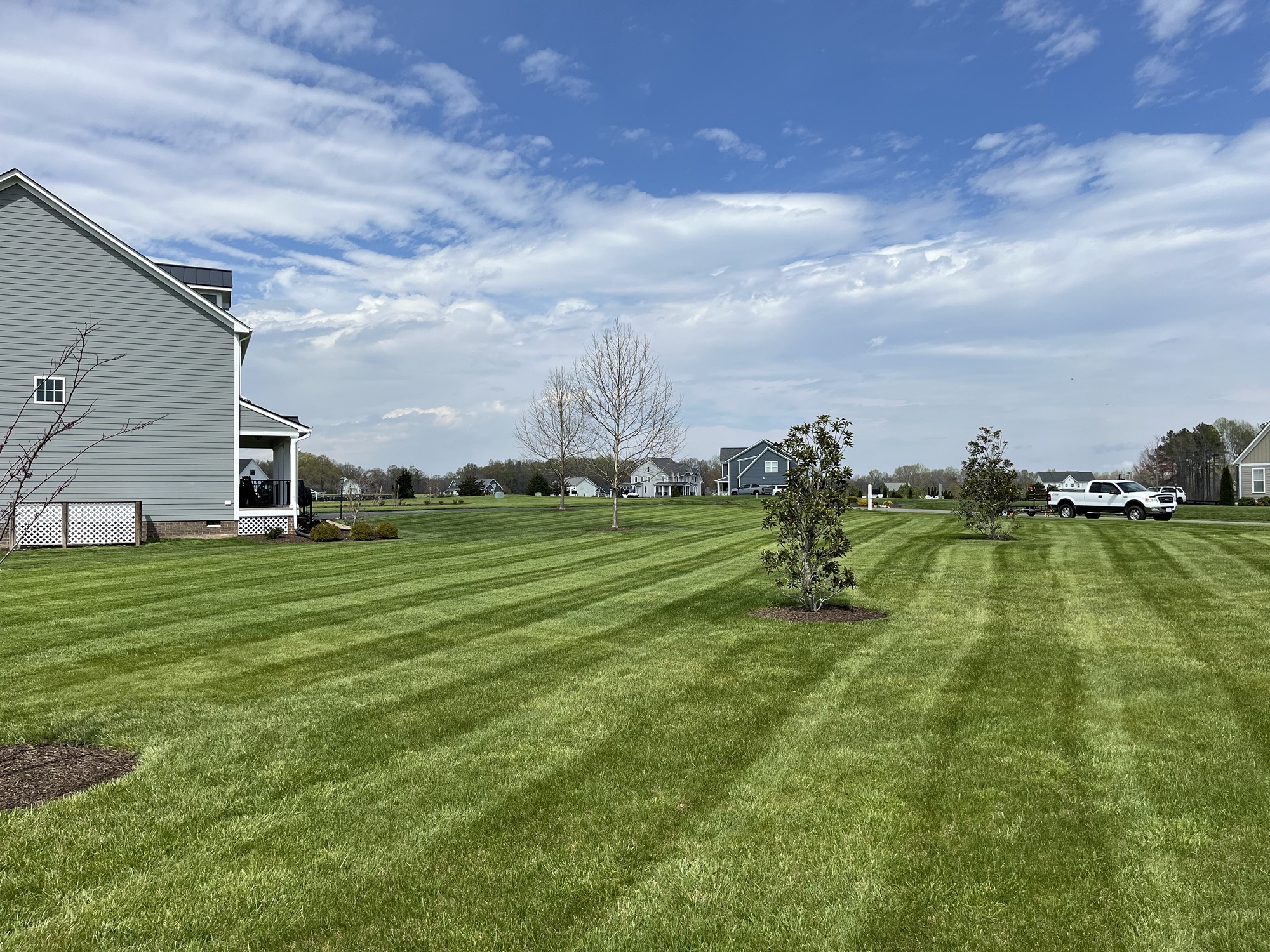
In the world of landscaping, knowing how to hedge and prune is like using a painter’s brush on a canvas. With skill and attention, these methods shape the natural world into beautiful arrangements of greenery, bringing structure, appeal, and beauty to outdoor areas. This guide covers the ins and outs of hedging and pruning, revealing the tricks to turning regular landscapes into lush works of art.

- Regular Trimming:
- Trim your hedges regularly to maintain their desired shape and size. The frequency of trimming depends on the type of hedge and its growth rate.
- Use sharp and clean hedge trimmers to make clean cuts, reducing the risk of damage and disease.
- Trim hedges slightly narrower at the top than at the bottom to allow sunlight to reach the lower branches and promote even growth.
- Pruning for Density:
- To encourage denser growth, prune hedges during the growing season, typically in spring or early summer.
- Focus on removing excess growth and thinning out crowded areas within the hedge.
- Cut back any leggy or straggly branches to promote a fuller appearance.
- Dealing with Pests and Diseases:
- Monitor your hedges regularly for signs of pests such as aphids, mites, or scale insects, as well as common diseases like powdery mildew or fungal infections.
- If you notice any signs of pests or diseases, take appropriate action promptly. This may involve applying insecticidal soap, horticultural oil, or fungicides as needed.
- Prune out any affected or damaged foliage and dispose of it properly to prevent the spread of pests and diseases.
- Watering and Feeding:
- Provide adequate water to newly planted hedges to help them establish a strong root system. Once established, water hedges during dry periods to prevent drought stress.
- Apply a balanced fertilizer in spring to promote healthy growth and vibrant foliage. Follow the manufacturer’s instructions for the appropriate dosage and application method.
- Mulching and Weed Control:
- Apply a layer of organic mulch around the base of your hedges to conserve moisture, suppress weeds, and improve soil health.
- Regularly inspect your hedges for weeds and remove them promptly to prevent competition for nutrients and water.
- Seasonal Maintenance:
- Perform a thorough inspection of your hedges at least once a year, preferably in early spring, to assess their overall health and identify any issues that need attention.
- Address any structural issues, such as broken or crossing branches, by pruning them back to maintain a strong and tidy framework.
By following these maintenance tips, you can ensure that your hedges remain healthy, vibrant, and visually appealing throughout the year. For more personalized advice, reach out to EduLawn Care at 804-476-0784 or via email at edulawncare@gmail.com.




Leave a Reply