
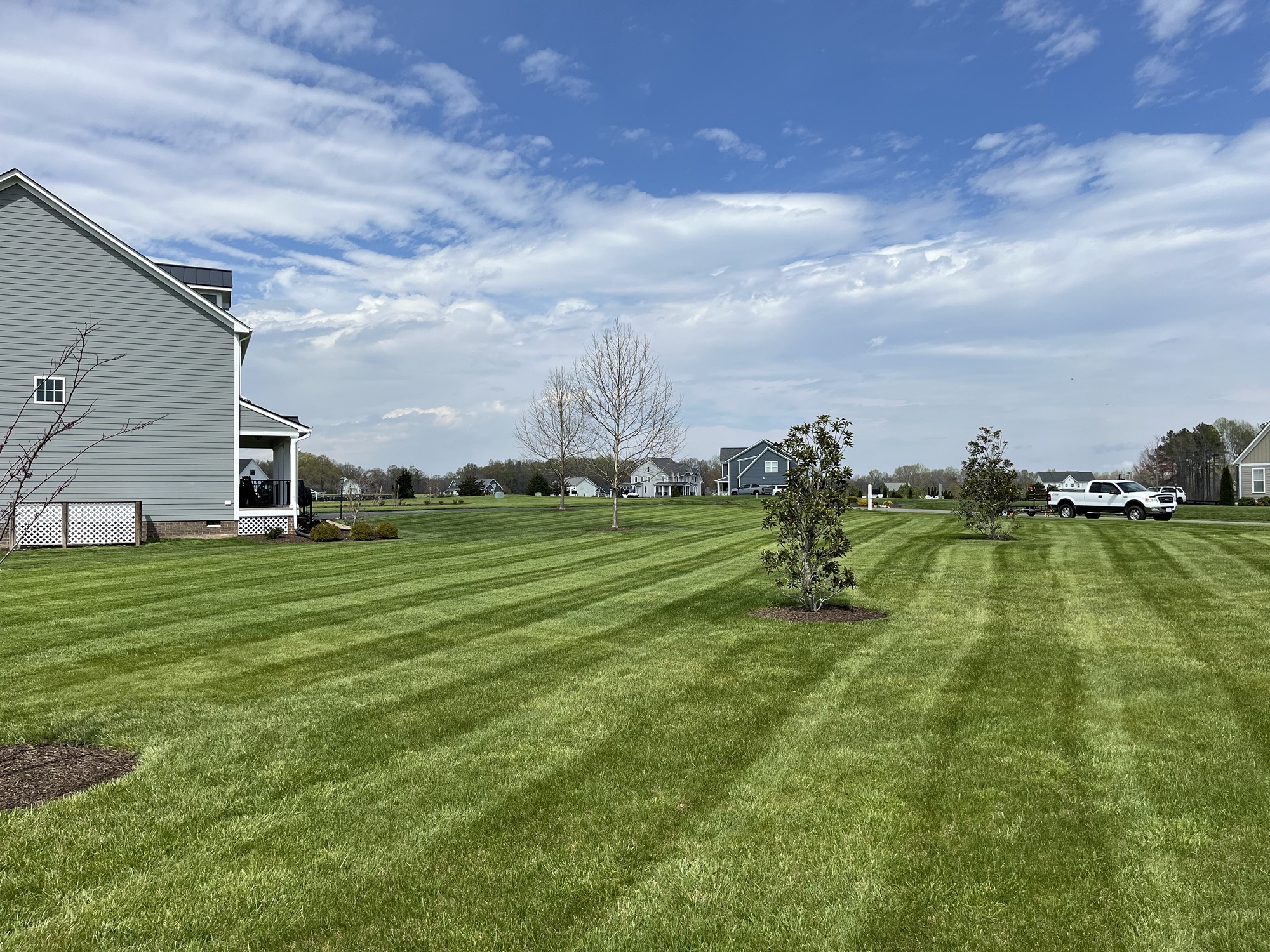
Types of Weeds Before you can effectively control weeds, it’s important to understand the types you’re dealing with. Common weeds include broadleaf weeds like dandelions and clover, grassy weeds like crabgrass, and perennial weeds like bindweed and nutsedge.

Prevention Is Key: Tips for Weed Prevention
- Maintain a healthy lawn through proper mowing, watering, and fertilizing practices.
- Use pre-emergent herbicides to prevent weed seeds from germinating.
- Mulch garden beds to suppress weed growth and conserve moisture.
Natural Weed Control Methods
- Hand-pulling weeds is an effective way to remove them from your lawn and garden.
- Use of vinegar or boiling water as natural herbicides.
- Corn gluten meal can act as a natural pre-emergent herbicide.
Chemical Weed Control
- Selective herbicides target specific types of weeds without harming your lawn.
- Non-selective herbicides kill all vegetation and should be used sparingly in targeted areas.
Integrated Weed Management
- Combining cultural, mechanical, and chemical methods for a comprehensive weed control approach.
- Regularly inspect your lawn and garden for early signs of weed growth.
Dealing with Tough Weeds
- Nutsedge and bindweed are notoriously difficult to control but can be managed with persistence.
- Consider hiring a professional weed control service for severe weed infestations.
Conclusion: By understanding the types of weeds you’re dealing with, implementing preventative measures, and using a combination of natural and chemical weed control methods, you can reclaim your lawn from invasive plants and enjoy a beautiful, weed-free landscape.
Call to Action: Share your own weed control tips and success stories in the comments below. Don’t let weeds take over your lawn – take action today!




Leave a Reply